About me
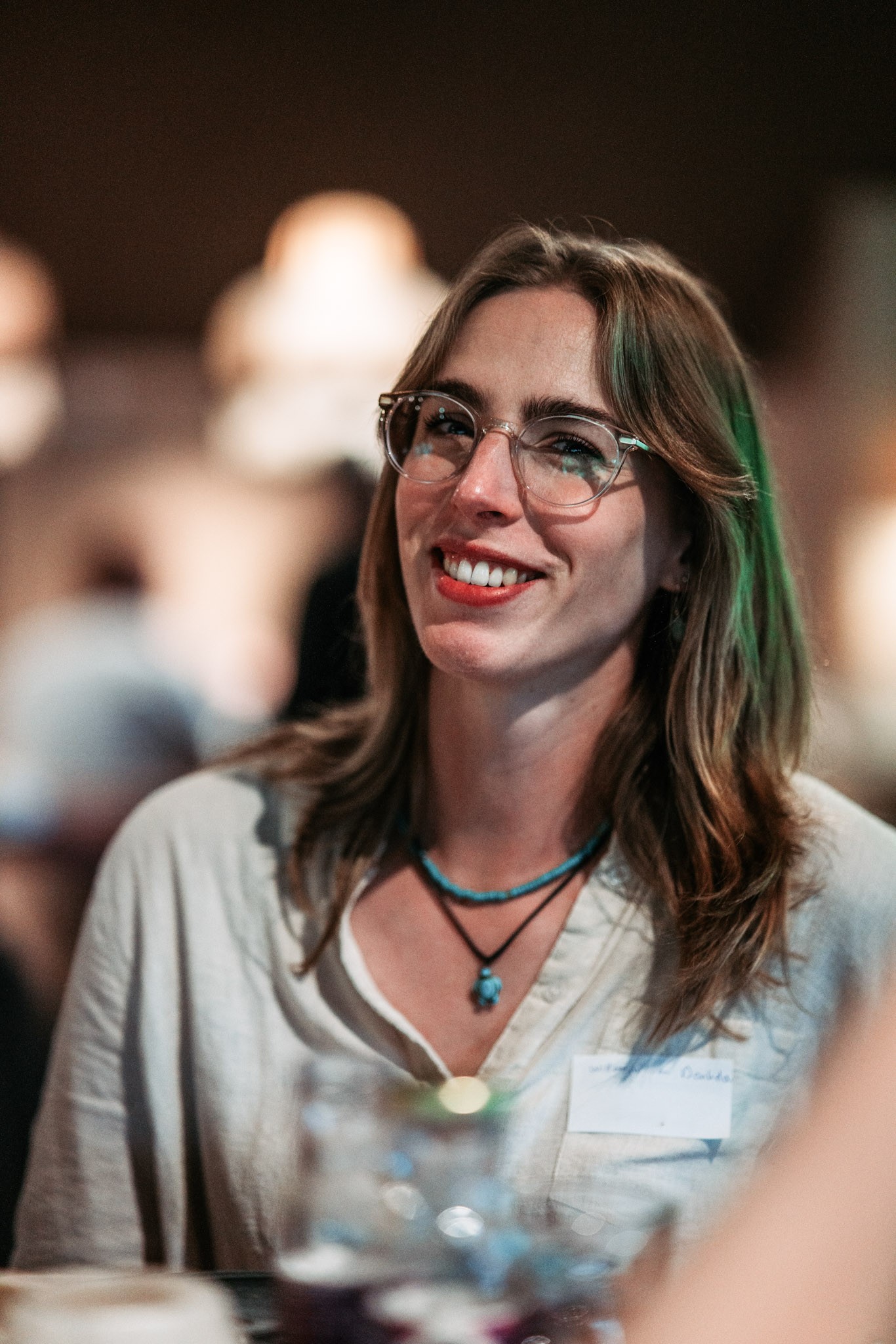
Hi! I’m Willemijn, a UX/UI designer who believes that human-centered, inclusive design isn’t a luxury, it’s essential. I’m passionate about creating digital experiences that feel effortless, whether someone is navigating an product with dyslexia, low vision, or any other challenge.
My UX approach
I work from research to design, uncovering real user needs through interviews, usability testing, and product data from tools like Pendo. These insights help me solve the right problems at the right time, turning complex, information-heavy flows into clear, supportive experiences. I enjoy looking beyond what users think they need to uncover the real challenges underneath, and then shaping thoughtful, creative solutions.
Alongside research, I focus on design craft. I’m detail-driven and pixel-conscious, creating balanced interfaces with a clear hierarchy. I thrive on iterating from rough concepts to refined, convergent designs that are both functional and visually clear.
Designing for real users
Much of my experience is in designing digital products for patients, working closely with healthcare professionals who provide these tools as part of care. These products often involve dense medical content, instructions, or progress tracking, sometimes for users coping with physical, cognitive, or emotional challenges. I focus on making this information clear, fast to understand, and less frustrating.
Within my UX team, we actively bring the patient perspective into every design decision. While professionals are key stakeholders, patients are the daily users, and we ensure their needs are never an afterthought. Through research, testing, and iteration, we create experiences that work for both patients and professionals.
I also collaborate closely with developers, product owners, and fellow designers to ensure solutions are not only user-friendly but realistic to build. Using quantitative and qualitative insights, I validate ideas quickly and continuously improve the experience.
What excites me next
I’m most energized by complex UX problems: uncovering the core challenges and translating them into clear, supportive experiences. I want to continue growing as a UX researcher, diving deeper into user behavior and pain points, while staying connected to the craft of UI. I’m especially interested in working for a company that is socially conscious and driven by a meaningful mission, one that creates products that genuinely improve people’s lives, make everyday experiences easier, and include all users.
Outside of UX, I love running, climbing, and hiking, almost anything outdoorsy! I also enjoy relaxed sundays spent reading or painting, which helps me recharge and brings fresh perspective to my work.


About me
Hi! I’m Willemijn, a UX/UI designer who believes that human-centered, inclusive design isn’t a luxury, it’s essential. I’m passionate about creating digital experiences that feel effortless, whether someone is navigating an product with dyslexia, low vision, or any other challenge.
My UX approach
I work from research to design, uncovering real user needs through interviews, usability testing, and product data from tools like Pendo. These insights help me solve the right problems at the right time, turning complex, information-heavy flows into clear, supportive experiences. I enjoy looking beyond what users think they need to uncover the real challenges underneath, and then shaping thoughtful, creative solutions.
Alongside research, I focus on design craft. I’m detail-driven and pixel-conscious, creating balanced interfaces with a clear hierarchy. I thrive on iterating from rough concepts to refined, convergent designs that are both functional and visually clear.
Designing for real users
Much of my experience is in designing digital products for patients, working closely with healthcare professionals who provide these tools as part of care. These products often involve dense medical content, instructions, or progress tracking, sometimes for users coping with physical, cognitive, or emotional challenges. I focus on making this information clear, fast to understand, and less frustrating.
Within my UX team, we actively bring the patient perspective into every design decision. While professionals are key stakeholders, patients are the daily users, and we ensure their needs are never an afterthought. Through research, testing, and iteration, we create experiences that work for both patients and professionals.
I also collaborate closely with developers, product owners, and fellow designers to ensure solutions are not only user-friendly but realistic to build. Using quantitative and qualitative insights, I validate ideas quickly and continuously improve the experience.
What excites me next
I’m most energized by complex UX problems: uncovering the core challenges and translating them into clear, supportive experiences. I want to continue growing as a UX researcher, diving deeper into user behavior and pain points, while staying connected to the craft of UI. I’m especially interested in working for a company that is socially conscious and driven by a meaningful mission, one that creates products that genuinely improve people’s lives, make everyday experiences easier, and include all users.
Outside of UX, I love running, climbing, and hiking, almost anything outdoorsy! I also enjoy relaxed sundays spent reading or painting, which helps me recharge and brings fresh perspective to my work.


About me
Hi! I’m Willemijn, a UX/UI designer who believes that human-centered, inclusive design isn’t a luxury, it’s essential. I’m passionate about creating digital experiences that feel effortless, whether someone is navigating an product with dyslexia, low vision, or any other challenge.
My UX approach
I work from research to design, uncovering real user needs through interviews, usability testing, and product data from tools like Pendo. These insights help me solve the right problems at the right time, turning complex, information-heavy flows into clear, supportive experiences. I enjoy looking beyond what users think they need to uncover the real challenges underneath, and then shaping thoughtful, creative solutions.
Alongside research, I focus on design craft. I’m detail-driven and pixel-conscious, creating balanced interfaces with a clear hierarchy. I thrive on iterating from rough concepts to refined, convergent designs that are both functional and visually clear.
Designing for real users
Much of my experience is in designing digital products for patients, working closely with healthcare professionals who provide these tools as part of care. These products often involve dense medical content, instructions, or progress tracking, sometimes for users coping with physical, cognitive, or emotional challenges. I focus on making this information clear, fast to understand, and less frustrating.
Within my UX team, we actively bring the patient perspective into every design decision. While professionals are key stakeholders, patients are the daily users, and we ensure their needs are never an afterthought. Through research, testing, and iteration, we create experiences that work for both patients and professionals.
I also collaborate closely with developers, product owners, and fellow designers to ensure solutions are not only user-friendly but realistic to build. Using quantitative and qualitative insights, I validate ideas quickly and continuously improve the experience.
What excites me next
I’m most energized by complex UX problems: uncovering the core challenges and translating them into clear, supportive experiences. I want to continue growing as a UX researcher, diving deeper into user behavior and pain points, while staying connected to the craft of UI. I’m especially interested in working for a company that is socially conscious and driven by a meaningful mission, one that creates products that genuinely improve people’s lives, make everyday experiences easier, and include all users.
Outside of UX, I love running, climbing, and hiking, almost anything outdoorsy! I also enjoy relaxed sundays spent reading or painting, which helps me recharge and brings fresh perspective to my work.

